Sandra Ramos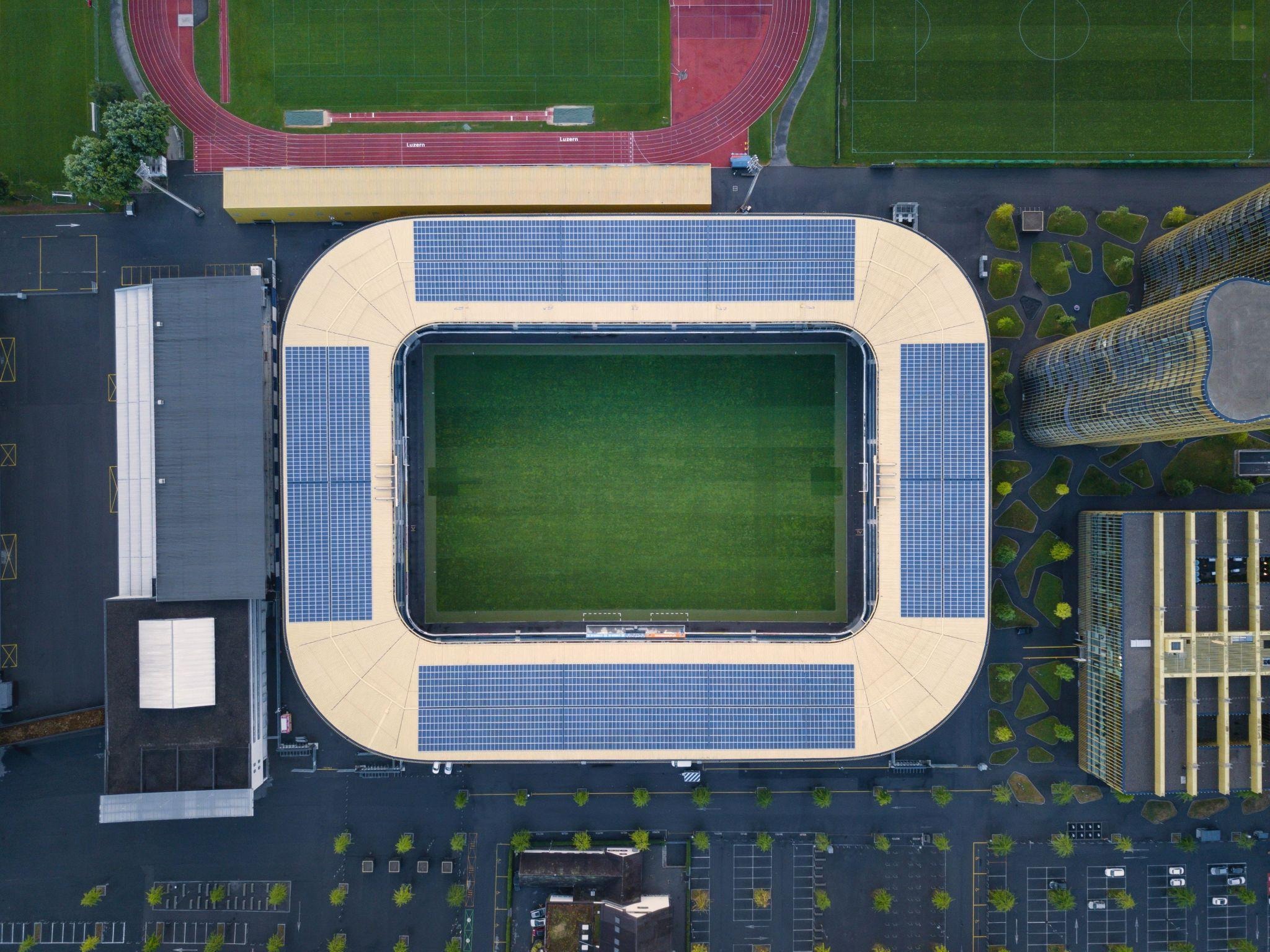
Sports venues are undergoing a significant transformation as technology and infrastructure innovations redefine how facilities are designed, managed, and experienced. Modern stadiums are no longer limited to hosting sporting events; they have evolved into multifunctional destinations that combine entertainment, connectivity, sustainability, and operational excellence. The growing influence of smart stadium solution providers is playing a major role in this evolution by introducing advanced technologies that improve efficiency, enhance security, and elevate the fan experience.
The Evolution of Modern Sports Venues
Sports venues have changed dramatically over the years. Traditional stadiums were designed primarily to accommodate spectators and host competitions. While functionality was important, technology played only a limited role in venue operations.
Modern stadiums are expected to provide much more than seating and event space. They are becoming digitally connected environments that offer seamless experiences before, during, and after events. From intelligent security systems to personalized fan services, innovation is helping venues meet the demands of a rapidly changing sports industry.
Why Innovation Matters in Stadium Development
Innovation is essential to addressing the challenges of managing large, complex sports facilities. Stadium operators must ensure safety, efficiency, sustainability, and visitor satisfaction while controlling operational costs.
Advanced technologies enable venues to automate processes, collect valuable data, and improve decision-making. These capabilities help operators respond more effectively to changing conditions and create better experiences for all stakeholders.
Innovation also enables sports venues to remain competitive by creating new revenue streams, optimizing resource utilization, and enhancing overall operational performance.
The Growing Influence of Smart Technologies
Technology has become a central pillar of modern stadium development. Digital solutions are helping venues streamline operations, improve communication, and deliver more engaging experiences.
The expertise of smart stadium solution providers is enabling sports facilities to integrate advanced systems that connect different aspects of venue management. These technologies support everything from crowd monitoring and energy management to digital ticketing and visitor engagement.
Technology Solutions Transforming Sports Venues
Modern sports venues rely on a variety of innovative technologies that improve performance and operational efficiency.
- Artificial Intelligence in Stadium Operations
Artificial intelligence is helping venue operators automate routine tasks and analyze large amounts of operational data. AI-powered systems can improve staffing decisions, identify maintenance requirements, and support security monitoring.
- Internet of Things (IoT) Integration
IoT devices play a critical role in connecting different stadium systems. Sensors can monitor crowd movement, environmental conditions, equipment performance, and energy consumption in real time.
- Cloud-Based Management Platforms
Cloud technology allows stadium operators to centralize operational data and access critical information through a single platform. This improves collaboration between departments and enhances visibility across venue operations.
- Smart Security Systems
Security remains one of the most important priorities for sports venues. Advanced surveillance technologies, facial recognition systems, and intelligent monitoring tools help improve safety and crowd management.
- Data Analytics and Performance Monitoring
Analytics platforms transform large volumes of data into actionable insights. Stadium managers can use these insights to improve operational planning, optimize resources, and enhance visitor experiences.
Key Benefits of Smart Stadium Solutions
The adoption of intelligent technologies provides significant advantages for both venue operators and visitors.
- Improved operational efficiency through automation and real-time monitoring.
- Enhanced security with advanced surveillance and crowd management systems.
- Better fan engagement through personalized digital experiences.
- Greater sustainability through efficient resource utilization.
- Increased revenue opportunities through innovative services and technologies.
These benefits demonstrate why smart technologies have become a critical investment for modern sports venues.
Sustainability and Future-Ready Infrastructure
Sustainability has emerged as a major priority in stadium development. Sports organizations and venue operators are increasingly focused on reducing environmental impact while improving operational performance.
Many stadium infrastructure companies are incorporating sustainable design principles into new projects. Features such as solar energy systems, rainwater harvesting, energy-efficient lighting, and waste management programs are becoming standard elements of modern stadium construction.
Sustainable infrastructure not only supports environmental goals but also helps reduce long-term operating costs. These initiatives contribute to the development of resilient facilities that can serve communities for decades.
Industry Collaboration Driving Stadium Innovation
The successful development of smart sports venues requires collaboration among multiple stakeholders. Technology providers, infrastructure developers, architects, government agencies, and venue operators all contribute to the innovation process.
Industry collaboration helps accelerate the adoption of advanced technologies and supports the development of integrated solutions that address complex challenges.
- Strategic Partnerships
Partnerships between public and private organizations help drive investment and support the implementation of innovative stadium projects.
- Knowledge Sharing Platforms
Industry conferences and exhibitions provide opportunities for professionals to exchange ideas, explore emerging technologies, and discuss best practices.
- Infrastructure Development Initiatives
Collaborative infrastructure projects help modernize sports facilities while ensuring access to specialized expertise and advanced capabilities.
- Technology Demonstrations and Showcases
Technology showcases allow stakeholders to evaluate new solutions and understand how they can improve stadium operations and visitor experiences.
- Global Best Practice Exchange
Learning from successful international projects enables organizations to adopt proven strategies and improve infrastructure outcomes.
The Future of Smart Sports Venues
The future of sports infrastructure will be shaped by continued innovation and digital transformation. Technologies such as artificial intelligence, predictive analytics, automation, and digital twins are expected to play increasingly important roles in stadium management.
Future-ready venues will become more connected, efficient, and adaptable. They will integrate seamlessly with transportation networks, communication systems, and broader smart city initiatives. These developments will create more sustainable and user-centric environments while improving operational performance.
The continued involvement of technology innovators, venue operators, and infrastructure experts will be essential for advancing the next generation of sports facilities.
Conclusion
Innovation is playing a vital role in transforming sports venues into intelligent, connected, and sustainable environments. From AI-powered operations and IoT-enabled monitoring to advanced analytics and immersive fan experiences, technology is redefining the future of stadium development. As the industry continues to evolve, collaboration between technology leaders and stadium infrastructure companies will remain essential for creating world-class sports facilities that meet the needs of modern audiences.
Smart Stadiums & Sports Infra Summit serves as a premier platform for bringing together policymakers, technology innovators, venue operators, architects, and infrastructure specialists. By fostering collaboration, showcasing cutting-edge solutions, and encouraging meaningful industry discussions, the summit continues to drive the advancement of smart stadium technologies and future-ready sports infrastructure.