Alexander Rivera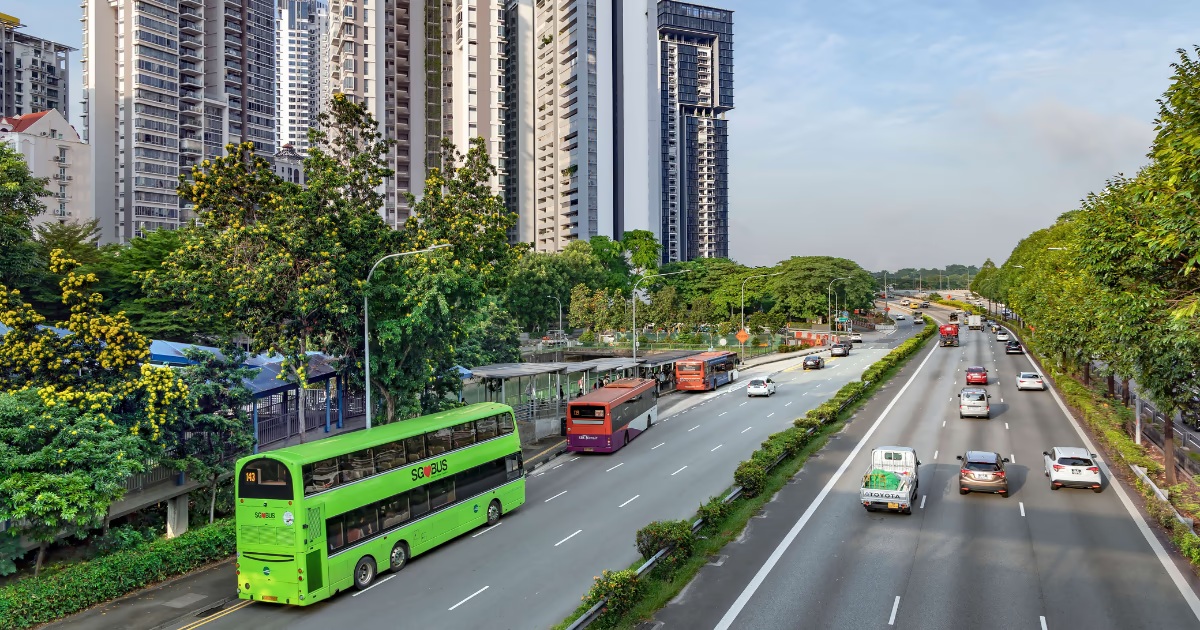
In Singapore’s forward-looking real estate market, transport infrastructure is the ultimate equalizer. The adage “location, location, location” has evolved in 2026 into a more precise metric: transit efficiency, infrastructure connectivity, and Master Plan alignment.
When the Land Transport Authority (LTA) expands train networks and the Urban Redevelopment Authority (URA) designates new growth corridors, property values in the immediate catchment zones respond predictably.
Smart investors analyze transport corridors through two distinct lenses: strategic road arterial connectivity in prime core districts, and direct doorstep mass transit integration in major regional growth hubs.
1. Prime District Accessibility: Arterial Roads, Expressways, and Future Rail Corridors
In established luxury residential enclaves, connectivity isn’t just about being near a train station—it is about seamless, multi-modal access to the Central Business District (CBD), Orchard Road shopping belt, and major science and research parks.
[ Expressway Access: PIE / AYE ] ──► [ Orchard Road / Marina Bay CBD ]
▲
│
[ Cross-Island Line Integration ] ────────────┴──────────── [ One-North Tech Corridor ]
Strategic Positioning in the Western Fringe of District 10
Properties situated on the fringe of prime enclaves enjoy a unique connectivity advantage. They offer rapid access to major economic nodes while maintaining a peaceful, green residential setting.
A prime example of this strategic transit positioning is Amberwood at Holland, located along Holland Link in District 10. Positioned along key vehicular arteries, this location provides direct links to the Pan Island Expressway (PIE) and Ayer Rajah Expressway (AYE), allowing residents to drive to the CBD or Jurong Innovation District in under 15 to 20 minutes.
Furthermore, its position relative to the upcoming Cross-Island Line (CRL) phase expansions and the existing Downtown Line (King Albert Park MRT) grants residents dual-network access:
- Academic & Research Access: Quick connections to National University of Singapore (NUS), INSEAD, and the One-North research hub.
- Leisure & Lifestyle Connectivity: A short 5-minute drive to Holland Village, Dempsey Hill, and the Singapore Botanic Gardens.
- Regional Road Efficiency: Unobstructed driving routes via Clementi Road and Bukit Timah Road bypass congested city-center bottlenecks.
Infrastructure Insight: Prime developments positioned near major expressways and upcoming orbital train lines offer stable capital growth. They give car-owners rapid highway access while giving non-drivers direct rail routes to key educational and tech clusters.
2. Doorstep MRT Integration: The Power of Regional Decentralization
While road accessibility drives value in prime enclaves, regional hub valuations are powered by zero-friction transit integration—where a train platform sits virtually at your doorstep.
Capitalizing on the Jurong Lake District (JLD) Infrastructure Boom
Under Singapore’s Master Plan, decentralization remains a key economic strategy. By transforming regional centers into self-contained economic powerhouses, the government creates high-density job nodes outside the central core.
This infrastructure-led transformation is clearly visible at Lucerne Grand, located directly beside Lakeside MRT station in District 22. Situated on the East-West Line (EWL), this development places residents just one stop away from the Jurong East integrated transport hub and the heart of the Jurong Lake District.
┌──────────────────────────────────────────────────────────────┐
│ THE LAKESIDE TRANSIT & ECONOMIC ADVANTAGE │
├──────────────────────────────────────────────────────────────┤
│ • 0-Minute Sheltered Walk to Lakeside MRT Station (EWL) │
│ • 1 Stop to Jurong East Interchange (EWL / NSL / JRL) │
│ • Direct Commute to Jurong Innovation District & Tuas Hub │
│ • Future Cross-Island Line Access via Regional Interchanges │
└──────────────────────────────────────────────────────────────┘
The transit benefits of doorstep MRT access in a major decentralization zone include:
- Zero Commute Friction: Fully sheltered walkways protect commuters from heat and rain, making public transport the primary choice for daily commutes.
- Triple-Line Connectivity: Nearby Jurong East connects the East-West Line, North-South Line, and upcoming Jurong Region Line (JRL), offering direct access to every corner of the island.
- High Tenant Retainability: Corporate tenants working in nearby commercial nodes prioritize doorstep transit, resulting in lower vacancy rates and sustained rental demand.
Infrastructure Insight: Properties offering covered, direct access to MRT stations consistently outperform non-integrated neighbors in rental yield and liquidity. Tenants are willing to pay a premium for daily convenience.
3. How to Evaluate Transport Infrastructure Before Buying
To maximize future resale value and rental demand, run through these infrastructure checks when evaluating any prospective property:
- Check the Walking Distance Realities: Never rely on marketing claims of “minutes away.” Measure the actual walking distance to the nearest MRT station, ensuring the path is fully sheltered or protected from traffic.
- Identify Multi-Line Interchanges: Properties located within 1 to 2 stops of major multi-line interchanges (e.g., Jurong East, King Albert Park, or Buona Vista) offer far higher transit flexibility than single-line stations.
- Study the URA Master Plan Rail Map: Look for upcoming MRT lines and stations scheduled for completion over the next 5 to 10 years. Buying into a precinct before a new line becomes operational is a proven way to capture infrastructure equity uplift.
- Evaluate Road Network Congestion: If you rely on driving, test the morning commute from the site to major expressways (PIE, AYE, BKE) to ensure local feeder roads don’t suffer from heavy rush-hour traffic.
By aligning your real estate acquisitions with Singapore’s long-term transport network investments, you ensure your property remains highly connected, deeply desirable, and financially resilient.