Alexander Rivera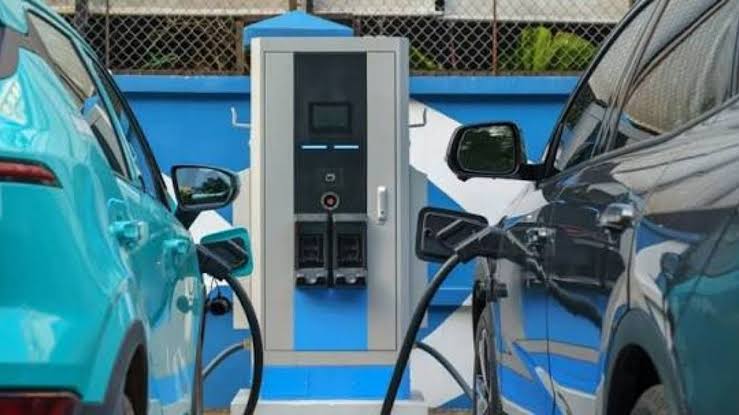
The battery industry is entering a period of transformation that reaches far beyond the familiar image of an electric vehicle plugged into a charging station. Batteries are becoming a critical part of how homes, businesses, transportation networks, and entire power systems generate, store, and use energy. As renewable power expands and electrification becomes more widespread, the ability to store energy efficiently is becoming just as important as producing it.
This shift is also changing the priorities of battery developers. Higher energy density remains important, but manufacturers and researchers are increasingly focused on safety, charging speed, durability, cost, sustainability, and performance under demanding conditions. The result is a competitive field where established technologies continue to improve while new approaches could reshape energy storage over the coming decades.
The EV Market Is Driving Battery Progress
Electric vehicles have played a major role in accelerating battery innovation. Consumers expect modern EVs to deliver practical driving ranges, convenient charging, long service lives, and dependable performance across different weather conditions. Meeting those expectations has encouraged automakers and battery manufacturers to improve everything from cell chemistry to thermal management and battery-pack design.
Lithium-ion technology remains dominant because it offers a useful balance of energy density, efficiency, manufacturing maturity, and cost. However, the technology is not standing still. Battery developers are refining existing chemistries while exploring alternatives that could address limitations involving raw materials, charging performance, longevity, and safety. Industry experts generally view continued incremental improvement as just as important as breakthroughs in entirely new battery designs.
Another important development is the growing sophistication of battery management systems. A battery is not simply a collection of cells. Sensors, software, cooling systems, and control electronics work together to monitor temperature, voltage, charging behaviour, and overall health. Better management can help batteries operate more efficiently and safely while potentially extending their useful lives.
Energy Storage Is Expanding Beyond Vehicles
The next major opportunity for batteries may be outside transportation. Renewable energy sources such as solar and wind are inherently variable, creating a need for reliable storage that can capture electricity when production is high and release it when demand rises. Large-scale battery installations can help provide that flexibility and support a more resilient electricity system.
Energy storage can also change how households and businesses manage electricity. A home battery, for example, can store excess solar generation for later use, while commercial systems can help businesses manage demand and maintain backup power. At a larger scale, utilities can use storage to balance supply and demand, support grid stability, and make better use of renewable generation.
This broader role means battery innovation is increasingly being evaluated according to more than energy density. For grid applications, factors such as cycle life, operating costs, safety, scalability, maintenance requirements, and the ability to provide power for different durations can be equally important. A battery that is less impressive for an electric car may still be highly valuable when deployed as stationary storage.
New Battery Technologies Are Changing the Conversation
One of the most closely watched areas of research involves solid-state batteries. Unlike conventional lithium-ion cells that use liquid or gel electrolytes, solid-state designs use a solid electrolyte. Researchers and manufacturers are investigating whether this approach can improve safety and enable higher energy densities, although challenges involving manufacturing, cost, durability, and large-scale commercialisation remain.
Other battery chemistries are also receiving attention. Sodium-ion batteries, for example, use more abundant materials than conventional lithium-ion systems and could become useful in applications where minimising material costs is more important than achieving maximum energy density. Lithium-iron-phosphate batteries have also gained wider attention because of their durability, safety characteristics, and reduced reliance on certain costly materials.
Investors are following these developments alongside engineers and manufacturers because battery innovation can create opportunities across an unusually broad supply chain. Companies may be involved in cell manufacturing, thermal management, battery safety, recycling, materials, testing, or specialised components. For investors researching emerging battery companies, examining information related to KULR stock can be one way to understand how public markets are responding to developments in advanced battery safety and thermal-management technologies.
What the Future of Battery Innovation Could Look Like
The future of batteries will probably involve a combination of evolutionary improvements and carefully targeted breakthroughs. Conventional lithium-ion systems are likely to remain important while manufacturers improve their efficiency, cost, durability, and safety. At the same time, solid-state, sodium-ion, and other emerging technologies could gain ground where their particular advantages make commercial sense.
The most meaningful progress may ultimately come from treating the battery as part of a larger energy system. Better cells matter, but so do charging infrastructure, software, thermal management, recycling, grid integration, and manufacturing processes. Improvements across these connected areas can determine whether a promising technology becomes practical at scale.
Conclusion
Battery innovation is moving from a transportation-focused story toward a much broader energy transformation. Electric vehicles helped create enormous demand for better batteries, but the same technologies are now being considered for homes, businesses, renewable power projects, and electricity grids. That expansion is encouraging research into solutions that prioritise not only capacity, but also safety, longevity, affordability, and sustainability.
For consumers, businesses, and investors, the most useful approach is to look beyond headlines about the next breakthrough. Battery technology develops through years of engineering, testing, manufacturing improvements, and real-world deployment.