Alexander Rivera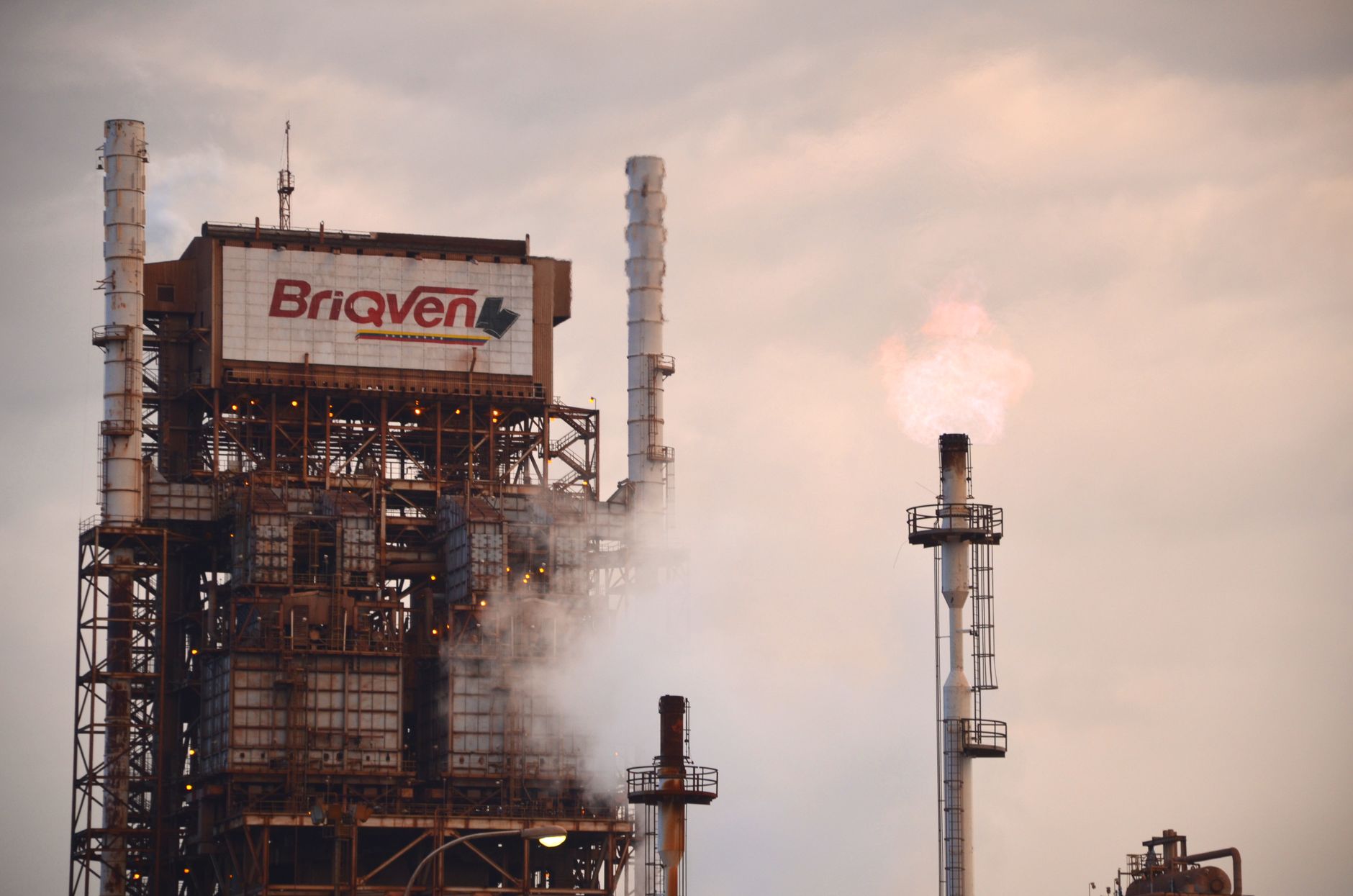
Venezuela oil deal has come under scrutiny as Nobel laureate Machado claims the regime is illegitimate. He argues that the government lacks the authority to engage in agreements with the US.
Background on Venezuela’s oil industry
Venezuela’s oil industry has long been a cornerstone of its economy, historically positioning the country as one of the largest oil reserves in the world. However, the industry has faced significant challenges over the years, particularly due to political instability and economic mismanagement.
The current regime, led by Nicolás Maduro, has been described as illegitimate by various opponents, including Nobel laureate Maria Machado. Critics argue that the government has lost its mandate to represent the Venezuelan people, questioning its authority to engage in international agreements, including the recent Venezuela oil deal with the United States.
Over the past two decades, a combination of sanctions, corruption, and a lack of investment has led to a dramatic decline in oil production. Once producing over 3 million barrels per day, current output hovers around 600,000 barrels daily. This decline has resulted in catastrophic economic consequences for the nation.
Rebuilding the oil sector is crucial for Venezuela’s recovery, as oil exports account for the majority of government revenue. However, any deals struck by the current regime continue to face scrutiny, with many calling into question the legitimacy of such agreements given the ongoing humanitarian crisis and the government’s authoritarian practices.
As the situation evolves, the implications of the Venezuela oil deal remain to be seen, especially concerning international relations and the geopolitical landscape.
Impact of US sanctions on Venezuela
The ongoing US sanctions have significantly impacted Venezuela’s economy, particularly its oil sector, which has been a central pillar of the nation’s revenue. These sanctions were implemented to pressure the Venezuelan government, which many, including Nobel laureate Machado, deem as illegitimate. As a result, the country has faced declining production and limited access to international markets.
Venezuela’s oil deal with the United States, however, raises questions about the effectiveness of these sanctions. Critics argue that such agreements could undermine the intended pressure on the regime, allowing it to regain some financial stability. The sanctions have aimed to isolate the government, yet the potential for oil deals creates a complicated scenario.
Furthermore, the lack of investment in the oil infrastructure due to sanctions has led to severe operational challenges. Venezuelan oil production has plummeted to its lowest levels in decades. As a consequence, the country has struggled to maintain its position as a top oil exporter.
- Significant decrease in oil production
- Limited access to necessary technology and investment
- Potential for US deals to challenge the effectiveness of sanctions
As the situation evolves, the implications of the Venezuela oil deal could have far-reaching effects on both national and international fronts.
Machado’s perspective on the regime
Nobel laureate and political activist María Corina Machado has voiced strong opposition to the recent Venezuela oil deal struck by the current regime. She refers to the government led by Nicolás Maduro as an “illegitimate” authority, arguing that they lack the moral and legal standing to negotiate significant agreements with foreign powers, particularly the United States. Machado highlights the detrimental impact of the regime on Venezuela’s democracy and economic stability, saying, “This government has systematically violated human rights and undermined the rule of law.”
According to Machado, the Venezuela oil deal represents not just an economic transaction but a continuation of a regime that prioritizes its own survival over the welfare of the Venezuelan people. She emphasizes that the government’s actions are a betrayal of national interests and a disregard for the suffering endured by citizens due to years of mismanagement and corruption.
She further calls for international support to restore democracy in Venezuela, stressing that any agreements made by the current regime should be viewed with skepticism. “We must ensure that the resources of our country are managed by a legitimate government that truly represents the will of the people,” Machado asserts, urging both domestic and international actors to reject any cooperation with an administration she considers fundamentally flawed.
International reactions to the oil deal
The recent Venezuela oil deal has sparked a wave of international reactions, with prominent figures and organizations expressing their concerns over the legitimacy of the agreement. Critics argue that the regime, which has faced widespread condemnation for its governance, lacks the authority to engage in such significant economic transactions.
Nobel laureate and political activist María Corina Machado has been vocal in her opposition, labeling the regime as “illegitimate.” She stated, “This regime has no right to strike a deal that could impact the future of our nation and its people.” Her stance reflects a broader sentiment among Venezuelan exiles and opposition leaders who believe that the current government is undermining democratic principles.
Internationally, reactions have been mixed. Some countries have expressed cautious optimism, hoping that the Venezuela oil deal could lead to economic stability. However, many are wary of the implications such a deal might have on human rights and governance in the country.
Organizations like Human Rights Watch have called for increased scrutiny, urging the international community to hold the Venezuelan regime accountable for its actions. As the situation evolves, the global community watches closely, considering the potential ramifications of this controversial agreement.
Historical context of Venezuela’s politics
The political landscape of Venezuela has been tumultuous for decades, marked by a series of shifts in power and the profound influence of oil on its economy. The country’s reliance on oil revenues has shaped its governance and international relations, particularly in the context of the Venezuela oil deal, which has recently come under scrutiny.
Since the rise of Hugo Chávez in 1999, Venezuela has experienced significant changes in its political framework. Chávez’s administration implemented socialist policies that aimed to redistribute oil wealth among the populace, but these measures also led to increasing authoritarianism and economic mismanagement. His successor, Nicolás Maduro, has faced widespread criticism for human rights violations and corruption, further complicating the nation’s political stability.
The opposition, including figures like Nobel laureate María Corina Machado, has consistently labeled Maduro’s government as illegitimate. This perspective gained traction as the regime struggled to maintain control amid mounting economic hardships and social unrest. Many argue that any agreements, such as the recent Venezuela oil deal, should not be recognized as legitimate given the regime’s actions.
As the international community continues to grapple with this complex situation, the implications of the Venezuela oil deal remain a focal point of debate, underscoring the intricate relationship between politics and resource management in the country.
Economic implications of the agreement
The recent Venezuela oil deal has raised significant economic implications for both the United States and Venezuela. This agreement, struck by a regime deemed illegitimate by many, could potentially alter the dynamics of the global oil market. With Venezuela possessing some of the largest oil reserves in the world, the deal may provide the country with much-needed revenue, which has been severely impacted by years of sanctions and mismanagement.
Critics argue that the deal legitimizes a regime that has faced widespread condemnation for human rights abuses and corruption. Nobel laureate and political leader María Corina Machado expressed her disapproval, stating that the Venezuelan government lacks the moral authority to engage in such agreements. She emphasized that the benefits derived from this deal might not translate into improvements for the average Venezuelan, as the government historically prioritizes its own interests over the welfare of its citizens.
On a broader scale, the Venezuela oil deal could have repercussions for global energy prices, influencing markets already strained by geopolitical tensions. As the United States navigates its own energy policies, the implications of this agreement will likely be felt beyond the borders of Venezuela, affecting not only diplomatic relations but also economic strategies across the Americas.
Public opinion on the regime
The public opinion on the current regime in Venezuela is deeply polarized, with many citizens expressing disillusionment and frustration. According to recent surveys, a significant portion of the population views the government’s actions as detrimental to the country’s future. The Venezuela oil deal, struck amidst ongoing economic turmoil, has further fueled dissent among those who feel the regime’s priorities lie elsewhere.
Many Venezuelans are concerned that the government is prioritizing foreign agreements over local needs. Key issues include:
- The lack of basic necessities, such as food and medicine.
- Corruption and mismanagement within the oil industry.
- Human rights abuses reported under the current regime.
As Nobel laureate María Corina Machado pointed out, the regime is perceived as illegitimate and lacking the authority to negotiate significant deals on behalf of the Venezuelan people. Critics argue that this oil deal serves to strengthen a government that is already seen as failing its citizens. Many citizens are calling for a reevaluation of leadership and a return to democratic processes that would genuinely represent their interests.
As public sentiment grows, it remains to be seen how the regime will respond to the mounting pressure from both within and outside the country.
Future of US-Venezuela relations
The recent Venezuela oil deal has raised significant questions regarding the future of US-Venezuela relations, particularly in light of the current regime’s legitimacy. Observers argue that entering into agreements with what many consider an “illegitimate” government may undermine international norms and ethical standards in diplomacy.
While some analysts believe that engaging with Venezuela could pave the way for improved relations and stability in the region, others caution against legitimizing a regime widely criticized for human rights violations and corruption. The effectiveness of this deal in fostering a more cooperative relationship between the two nations remains uncertain.
There are several factors that will influence the trajectory of US-Venezuela relations:
- Political Stability: The internal political landscape in Venezuela will play a critical role in determining the success of this agreement.
- International Pressure: Continued international scrutiny may impact how the US navigates its dealings with Venezuela.
- Economic Factors: The economic benefits of the oil deal could either strengthen or weaken the regime, affecting future negotiations.
- Public Sentiment: Both US and Venezuelan public opinion will influence policy decisions moving forward.
As these dynamics unfold, the implications of the Venezuela oil deal will continue to shape the complex relationship between the two nations.
The recent Venezuela oil deal has sparked controversy among political analysts and economists alike. Many believe that the Venezuela oil deal will have significant implications for U.S. foreign policy in the region.
Photo by Nehomar Castro on Pexels
References
You might also like
How Technology Is Reshaping the Online Betting Experience · From Electric Vehicles to Energy Storage: Where Battery Innovation Is Heading · How to Compare Condominiums in Singapore Before Making a Purchase