admin
admin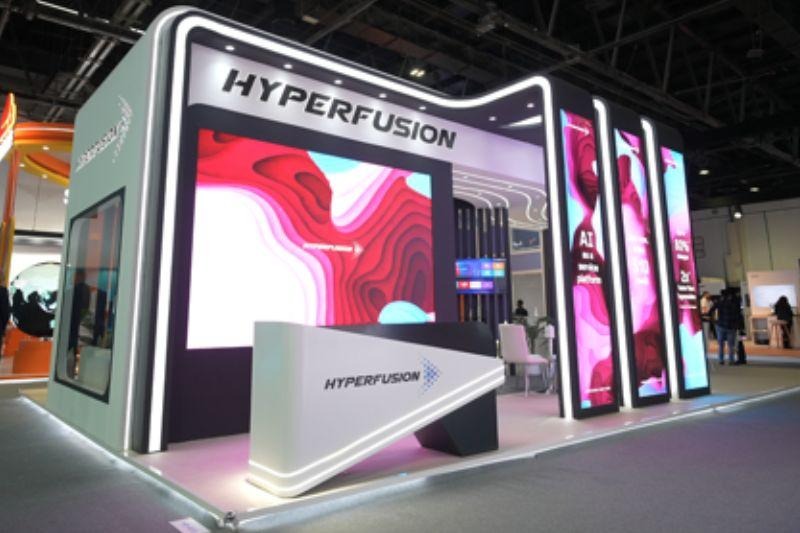
In a world where first impressions are critical, the role of exhibition stands has evolved far beyond mere displays. Businesses now rely on exhibition stand companies in UAE and globally to craft immersive experiences that captivate audiences and deliver measurable engagement.
Modern stand design is a sophisticated blend of psychology, technology, and branding, aimed at ensuring every visitor interaction is meaningful. From conceptualization to execution, companies leverage proven strategies to create spaces that not only attract attention but also facilitate effective communication of brand value.
This blog explores five core strategies employed by leading exhibition stand designers to maximize engagement, offering insights into how businesses can optimize their presence at any showcase.
1. Immersive and Interactive Design Concepts
Creating an exhibition stand that captivates visitors begins with immersive and interactive design. Leading designers focus on combining physical and digital experiences to encourage hands-on engagement, making each interaction meaningful and memorable.
- Integration of digital and physical experiences: Leading exhibition stand companies focus on creating environments where visitors can interact with products and services in a hands-on manner. Digital touchpoints such as interactive screens, augmented reality (AR) demos, and virtual product explorations enhance the experience by providing information in a dynamic and engaging format.
- Engaging spatial layouts: The arrangement of spaces within the stand is crucial for visitor flow and engagement. Designers optimize layouts to ensure clear pathways, accessible product displays, and designated interaction zones. By carefully controlling how visitors move through the stand, companies can encourage exploration, create focal points for key products, and prevent overcrowding, ensuring a comfortable and inviting environment.
- Experiential storytelling: Every design element, from graphics and lighting to furniture placement, is used to narrate the brand’s story. Storytelling through design allows visitors to connect emotionally with the brand, understand its values, and retain information.
2. Strategic Use of Lighting, Colors, and Visual Elements
Lighting, color, and visual elements are more than aesthetic choices; they are strategic tools that influence visitor perception and behavior. Thoughtful application of these elements guides attention, highlights key messages, and enhances overall engagement.
- Psychology-driven color schemes: Color plays a vital role in influencing perception and behavior. Exhibition stand experts select palettes that align with the brand identity while eliciting desired emotional responses. Warm tones can create an inviting atmosphere, while bold, contrasting shades highlight key areas or products.
- Targeted lighting techniques: Lighting is used not only to illuminate the space but also to guide attention and create ambiance. Accent lighting can highlight new products, while softer ambient lighting enhances comfort and encourages longer visits. Interactive lighting elements, such as motion-triggered LEDs or illuminated signage.
- Dynamic visual displays: Moving visuals, projection mapping, and high-resolution screens capture visitor attention effectively. Dynamic displays enable real-time communication of product benefits, promotional campaigns, or customer testimonials.
3. Personalized Visitor Experiences
Engaging visitors on a personal level transforms casual interest into active participation. By tailoring interactions, offering live demonstrations, and integrating gamified elements, stands become more inviting and ensure visitors leave with a memorable brand experience.
- Tailored interactions based on audience profiling: Professional exhibition stand companies in UAE gather insights about expected visitors and create experiences aligned with their preferences and needs. Personalized demos, product suggestions, or information kiosks ensure that every visitor finds relevant content, making engagement more meaningful.
- Interactive consultations and live demonstrations: Incorporating live demonstrations and one-on-one consultations allows visitors to ask questions, receive expert guidance, and experience products firsthand. This personal touch builds trust, enhances perceived value, and encourages future business inquiries.
- Incorporation of gamified elements: Gamification techniques such as quizzes, challenges, or interactive competitions add excitement to the visitor experience. By making interactions fun, stands increase participation rates and leave memorable impressions.
4. Efficient Space Utilization and Traffic Flow Management
Maximizing engagement requires careful planning of the exhibition space. Optimized layouts, clear signage, and adaptable modular structures ensure smooth visitor movement, prevent congestion, and highlight key areas without overwhelming attendees.
- Optimized layout planning: Effective space utilization ensures that every square meter contributes to visitor engagement. Designers use zoning strategies, such as designated product areas, meeting zones, and casual engagement corners, to maximize functionality while maintaining visual appeal.
- Clear signage and directional cues: Strategic placement of signs, floor markers, and branded elements guides visitors naturally through the exhibition area. Clear navigation reduces frustration and ensures that visitors experience all key areas. Signage can also communicate critical brand messages.
- Adaptable modular structures: Modular stands allow companies to adjust the space according to visitor volume, type of showcase, or event requirements. Flexibility in structure ensures that high-traffic areas remain accessible, while quieter zones provide opportunities for focused interactions.
5. Integration of Technology for Measurable Engagement
Technology enhances engagement by turning passive observation into interactive participation. Tools like VR, AR, data capture systems, and smart connectivity enable designers to create immersive, insightful, and measurable visitor experiences.
- Interactive data capture and analytics tools: Modern exhibition stand designers employ technologies that track visitor interactions, dwell times, and preferences. Tools such as RFID scanners, QR codes, and digital feedback stations provide valuable insights into engagement levels.
- Virtual and augmented reality experiences: VR and AR technologies allow visitors to experience products or environments beyond the physical constraints of the stand. These immersive simulations create memorable experiences that enhance understanding and interest, particularly for complex or large-scale products.
- Smart connectivity features: Wi-Fi-enabled displays, interactive apps, and digital networking tools facilitate communication between visitors and brand representatives. Connected technologies enable real-time information sharing, lead generation, and follow-up management.
Conclusion
Maximizing engagement at exhibitions requires a sophisticated combination of design, technology, and audience understanding. By focusing on immersive experiences, strategic visual elements, personalized interactions, efficient space management, and technology integration, exhibition stand companies in the UAE create environments that attract attention, facilitate communication, and leave lasting impressions.
Each strategy is designed to transform visitor interaction into meaningful engagement, reinforcing brand credibility and driving measurable results.
For tailored solutions that combine creativity with strategic innovation, exploring the services offered at Markable International provides an effective pathway to standout exhibition engagement.