admin
admin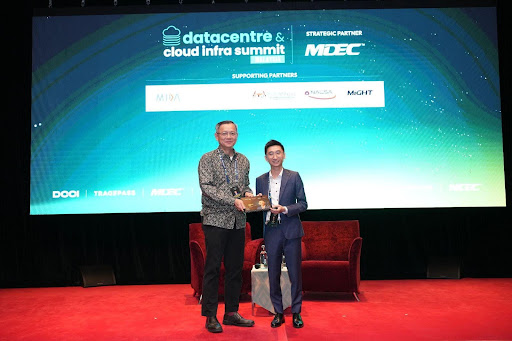
Organizations across industries are rapidly accelerating digital transformation, migrating critical workloads to the cloud while expanding remote and hybrid infrastructures. As this digital shift grows, so does the complexity of cyber threats. Businesses increasingly rely on a trusted cloud security provider Malaysia to safeguard critical systems while enabling innovation and scalability.
Resilience, in the current dynamic threat environment, entails the incorporation of proactive defense measures, swift detection and smart response measures. Companies need to protect cloud environments and cybersecurity infrastructure more, from data protection architecture to zero-trust architectures. The collaboration and development of long-term digital resilience presuppose advanced technologies and strategic planning that helps to secure the operations and promote sustainable growth.
Cloud Security Provider Malaysia: A Good Digital Defense Framework
With more and more enterprise migration to the cloud, it is important to choose the appropriate cloud security provider malaysia. One of the trusted providers guarantees that the data, applications, and infrastructure in place are not compromised by the increasing cyber threats.
The latest cloud ecosystem needs hierarchical protection, constant surveillance, and compliance with regulations. To ensure the security of digital assets, organizations have to collaborate with providers that offer technical knowledge and local knowledge.
1. Wide-ranging Threat Surveillance
A trusted supplier will provide 24/7 monitoring of threats in cloud networks, which will help identify suspicious activity in real time. The constant monitoring will reduce response time and minimize the chances of successful breaches. Higher analytics and AI-assisted detection tools reinforce defense mechanisms and give actionable information.
2. Zero-Trust Architecture Application
Zero-trust models presuppose that there is no trust on the side of users and systems. Organizations can mitigate the threat of lateral movement in cloud environments by authenticating all access requests, implementing identity authentication, and restricting privileges. This active strategy improves the internal and external security position.
3. Regulatory Compliance and Governance Alignment
Companies in Malaysia are forced to adhere to data protection laws and industry conventions. An effective cloud security company can make sure that structures comply with both local and national compliance, minimize the legal risk, and enhance management.
4. Strategies of Data Encryption and Back-up
End-to-end encryption secures vulnerable information both on the move and in storage. Backup and disaster recovery strategies are safe measures that guarantee continuity of operations in case of ransomware attack or system failure, and downtime is reduced, as well as revenue loss.
Cybersecurity Event Malaysia: Awareness and Strategy as a Collaborator
As a means of fighting contemporary cyber threats, industry cooperation is needed. A prominent cybersecurity event Malaysia offers a space where specialists, policy makers, and business firms can share ideas and enhance cooperative defense measures.
These activities facilitate innovation and information exchange of threat intelligence, and assist organizations to respond to new threats within cloud and digital infrastructure environments.
1. Experience and Industry Intelligence
The events on cybersecurity invite international and local professionals who give research, case studies, and threat trends. Such understanding can enable organizations to pursue proactive measures and be ahead of cybercriminals.
2. Secure Networking with Leaders
The closer partnership of technology leaders, CISOs, and policymakers will help create even better defense ecosystems. The networking possibilities promote the partnerships that enhance the resiliency at the enterprise and national levels.
3. Touchpoints with New Technologies
Innovations that are presented by events include AI-powered security, prolonged detection and reaction (XDR), and automated threat intelligence platforms. Such technologies would increase the accuracy of detection and efficiency of response of cloud systems.
4. The discussions on Regulatory and Policy
Topics that are discussed on panels and workshops often include the development of compliance frameworks, digital sovereignty, and cross-border data governance. Companies will have a greater understanding of navigating complicated regulatory environments and enhancing cloud governance.
Enhancing Cloud Security by Hardening Infrastructure with Resilience
Resilience is not only about prevention but also about keeping operations going in case of a cyber attack or after the attack. Organizations should consider resilience at all levels of cloud architecture.
The holistic approach will provide the infrastructure, applications, and users with a secure environment without compromising on performance and reliability.
1. Multi-Layered Controls of Security
Defense-in-depth strategies are made through layered security features, a firewall, endpoint protection, and identity access management. There are several protective measures that minimize the possibility of one fault affecting the whole mechanism.
2. Continuous Risk Assessment
Periodic vulnerability tests and vulnerability scanning are used to find weak points before they are exploited by attackers. Preemptive evaluation enhances infrastructure integrity and reduces exposure.
3. Cloud-Native Security Tools
The contemporary cloud computing systems offer built-in security. With the help of these tools, the integration is enhanced, automated monitoring is provided, and threat detection related to cloud-based environments is efficient.
4. Employee Knowledge and Education
One of the weaknesses is human error. Internal risk factors are minimized by training employees about policies of phishing awareness, password hygiene, and data protection.
The Future of Cloud and Cyber Resilience
With the new transformations of digital ecosystems, organizations should be ready to respond proactively to the emerging threats in the future. The use of intelligent automation and predictive analytics will become more important in cyber resilience.
The combination of artificial intelligence and machine learning will transform the process of threat detection and prevention in real time.
1. AI-Driven Threat Detection
Artificial intelligence allows for the analysis of threats as it recognizes abnormal behavior patterns. Computerized notifications and active responses decrease the number of people who need to work manually and enhance the detection rate.
2. Incident Response Automation
The compromised systems are isolated through automated workflows at the moment to avoid spreading damage. Quick containment will result in minimal disruption in operations.
3. Edge Security Integration
Due to the growth of edge computing, it is necessary to protect decentralized networks. The expansion of protection outside the centralized data centers enhances the resilience.
4. Cloud Security Posture Management
Security configurations need to be monitored on a continuous basis to make sure that they are maintained and there is no misconfiguration that can expose systems to vulnerability.
Conclusion
The digital transformation must be secured through strategic planning, technological innovation, and collaborative engagement. Being part of a main cybersecurity event Malaysia will build awareness, promote knowledge exchange, and improve systemic resilience to emerging and complex digital threats throughout the industry.
Conferences like DCCI 2026 in Malaysia unite global leaders in the field, technology, and policymakers with the purpose of defining the future of cloud and cyber defense, to cooperate and push forward the strategies that would secure the role of the digital world tomorrow.