Alexander Rivera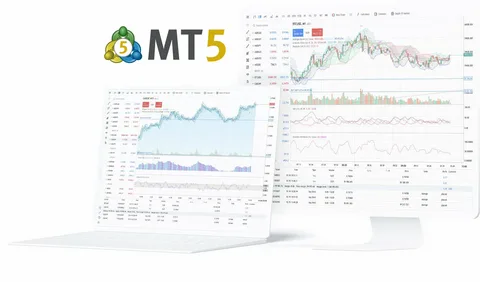
Trading has evolved alongside digital technology, giving market participants access to advanced charting tools, market information, and execution features from connected devices. Modern trading environments can support more organised decision-making by bringing analysis and order management into a single interface.
For traders exploring an online MetaTrader 5 experience, understanding charting capabilities, order types, market information, risk controls, and platform usability can help create a more structured approach. A suitable trading environment should support analysis without encouraging impulsive decisions. Traders should also consider factors such as spreads, leverage, execution conditions, available instruments, and platform reliability. Because leveraged trading can involve substantial losses, users should assess their experience, objectives, and risk tolerance before participating.
Building A Structured Foundation For Market Analysis
A well-organised trading environment can help users interpret market information while keeping analysis and execution connected through a consistent workflow.
1. Reading Price Charts Effectively
Price charts provide a visual representation of market movements over selected periods. Traders can study trends, ranges, support and resistance areas, and changes in volatility to develop their market view. Different chart timeframes can provide different perspectives, allowing users to examine broader movements alongside shorter-term activity. However, charts do not guarantee future outcomes. Technical observations should therefore be combined with appropriate research, risk management, and realistic expectations before any trading decision is made.
2. Using Technical Indicators
Technical indicators can help traders organise information about price movements, momentum, volatility, and potential market trends. Moving averages, oscillators, and other analytical tools may be applied according to individual strategies. Traders should understand what an indicator measures before incorporating it into their process. Using too many indicators can also create unnecessary complexity. A focused approach can make analysis easier to interpret while ensuring that indicators remain supporting tools rather than substitutes for independent judgment.
3. Monitoring Market Information
Market movements can be influenced by economic announcements, interest-rate decisions, corporate developments, geopolitical events, and broader changes in investor sentiment. Maintaining awareness of relevant information can help traders understand why prices may move sharply. An online MetaTrader 5 setup can be part of a broader trading routine that combines chart analysis with market research. This broader perspective can help traders avoid relying solely on historical price patterns when evaluating potentially significant market developments.
Improving Order Management Through Digital Tools
Efficient execution requires more than identifying a potential opportunity. Traders also need to understand order functionality, costs, timing, and the conditions under which positions are opened or closed.
1. Understanding Different Order Types
Trading platforms may offer various order types tailored to specific execution requirements. Market orders generally seek execution at the best available prices, while pending orders can be configured at specified price levels. Stop and limit orders may serve different purposes depending on the strategy. Traders should understand the mechanics of each order type before using it with real funds. Market conditions can also affect execution, particularly during periods of high volatility or limited liquidity.
2. Managing Position Size
Position sizing is an important component of risk management because position size can influence the potential impact of price movements on an account. Traders can consider their available capital, acceptable risk level, market volatility, and trading plan before determining position size. A larger position does not automatically represent a better opportunity. Maintaining consistent sizing principles can help traders avoid allowing a single trade to create disproportionate exposure within their overall portfolio.
3. Considering Trading Costs
Trading costs can influence the overall outcome of a strategy. Depending on the instrument and provider, traders may encounter spreads, commissions, financing charges, or other applicable costs. These expenses can become particularly relevant when positions are held frequently or for extended periods. Reviewing the complete cost structure before trading allows users to understand how expenses may affect potential returns. Comparing available conditions can also help traders select an environment that aligns with their trading requirements.
Creating Consistent Workflows For Better Decisions
A repeatable process can help traders reduce emotional reactions and approach market activity with greater discipline and consistency.
1. Establishing A Trading Plan
A trading plan can define the conditions under which a trader considers entering or exiting a position. It may include preferred instruments, analytical methods, acceptable risk levels, position-sizing rules, and circumstances that would invalidate a trade idea. Having these elements established before market activity can reduce the temptation to make decisions based solely on short-term price movements. Plans should also be reviewed periodically to determine whether they remain appropriate for changing market conditions.
2. Maintaining A Trading Journal
A trading journal can record information such as the reason for entering a position, market conditions, entry and exit levels, risk parameters, and the eventual outcome. Reviewing this information over time may reveal recurring strengths or weaknesses in a trading process. Journaling can therefore support learning without requiring traders to rely exclusively on memory. It can also encourage greater accountability by creating a documented record of decisions and their underlying reasoning.
3. Applying Risk Controls
Risk controls can help limit the potential impact of unfavorable market movements. Traders may use predefined stop levels, position limits, diversification principles, or other methods appropriate to their strategy. Leverage deserves particular attention because it can amplify both gains and losses. No risk-management technique can eliminate market risk completely, but a disciplined framework can help traders approach uncertainty more responsibly and prevent individual positions from creating excessive exposure.
Professional Trading Environments Supporting Execution
Digital trading platforms can support a more organized workflow by bringing essential market analysis and execution tools together.
- Integrated Tools: A Professional Trading Platform can combine charting, market analysis, order management, and account monitoring in one environment.
- Execution Features: Traders can evaluate order types, execution functionality, and available instruments according to their requirements.
- Charting Support: Analytical tools can help traders review market movements and develop structured decisions.
- Overall Evaluation: Costs, security, reliability, functionality, and support should be considered before selecting a platform.
Choosing suitable platform features can help traders maintain a clearer and more disciplined execution process.
Final Thoughts
A more efficient trading experience depends on the combination of suitable technology, informed analysis, disciplined execution, and responsible risk management. Charts can help traders interpret market behaviour, while digital order tools can support structured execution and monitoring.
For traders seeking a Professional Trading Platform AngelSky provides a trading environment that supports market participation through digital tools and platform features. Traders should evaluate available features, costs, execution conditions, and risk considerations carefully before choosing a platform. Regardless of the technology used, responsible trading requires realistic expectations, informed decision-making, and careful management of potential losses.

 Sandra Ramos